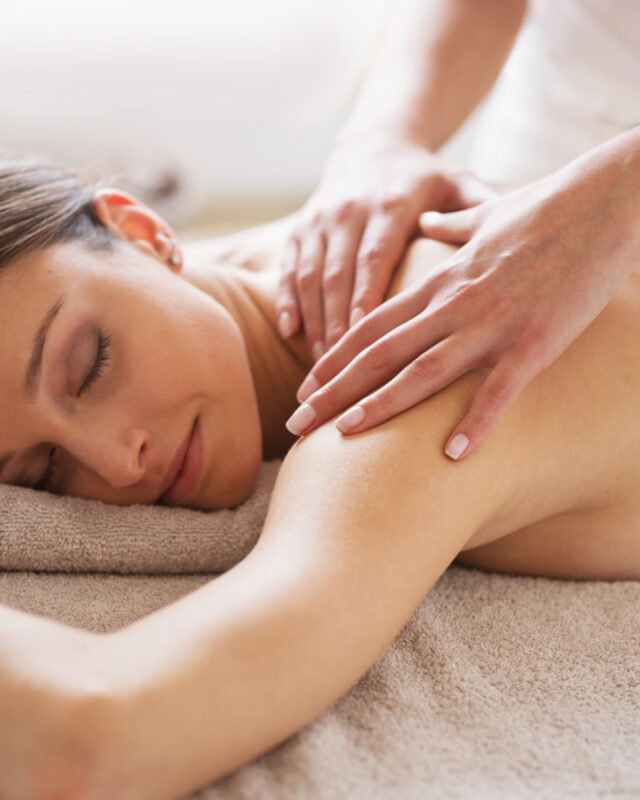
 Swedish Massage
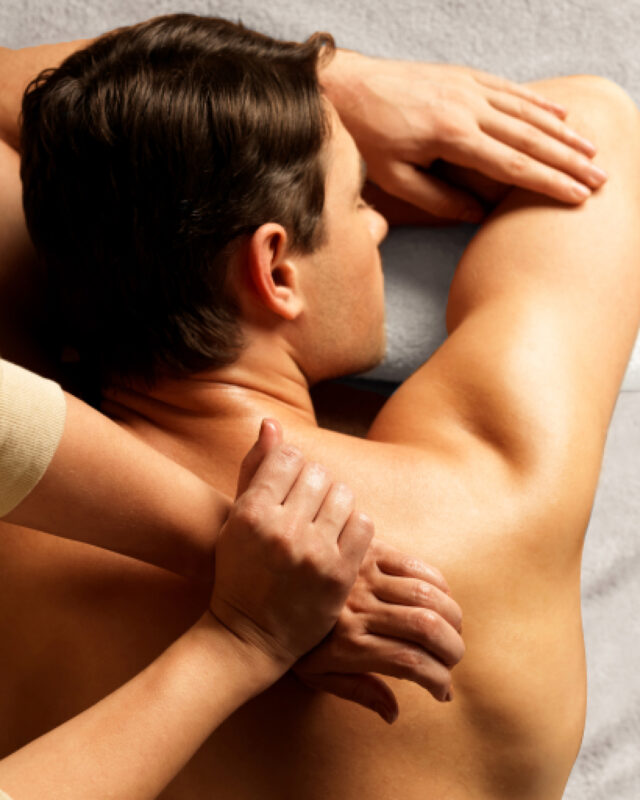 Deep Tissue Massage
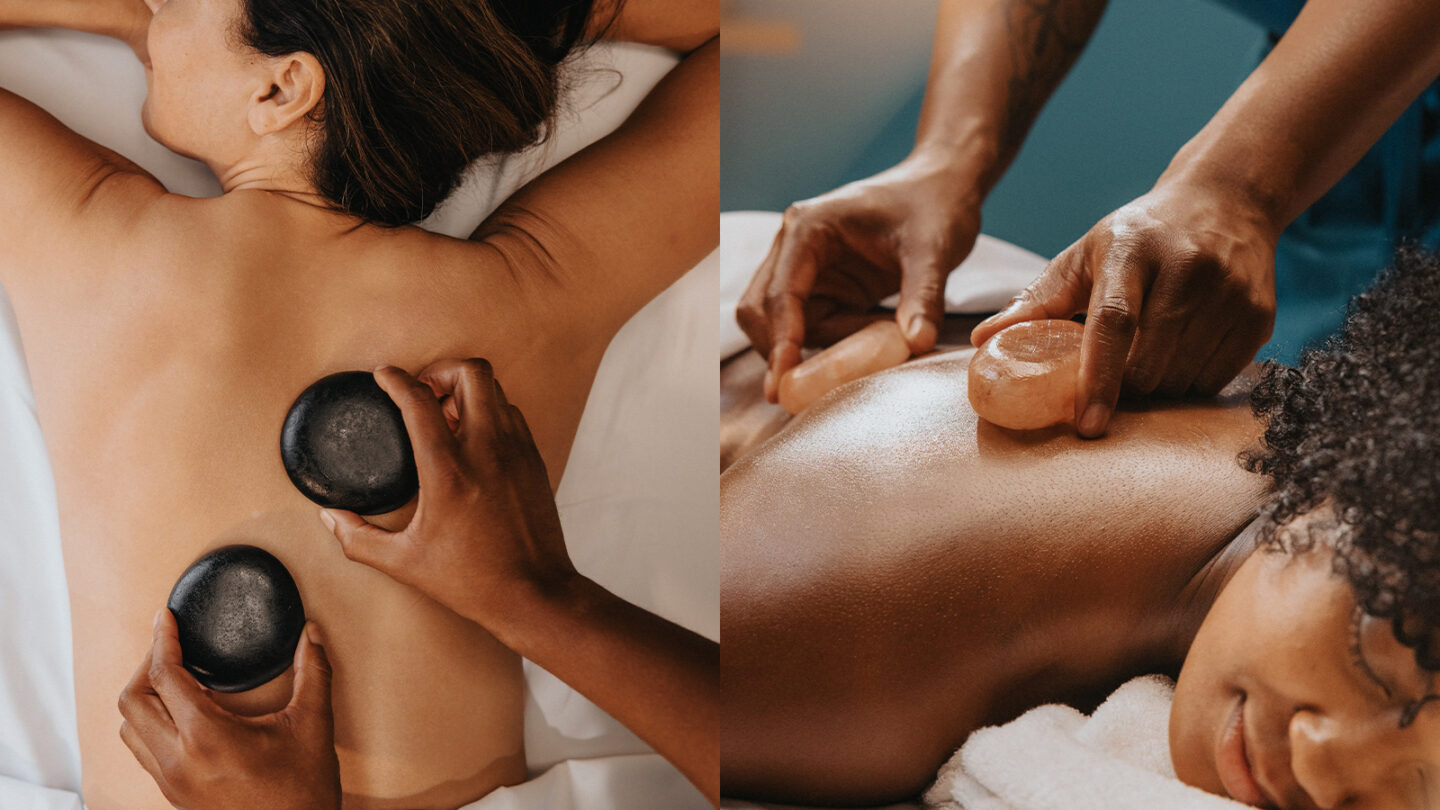
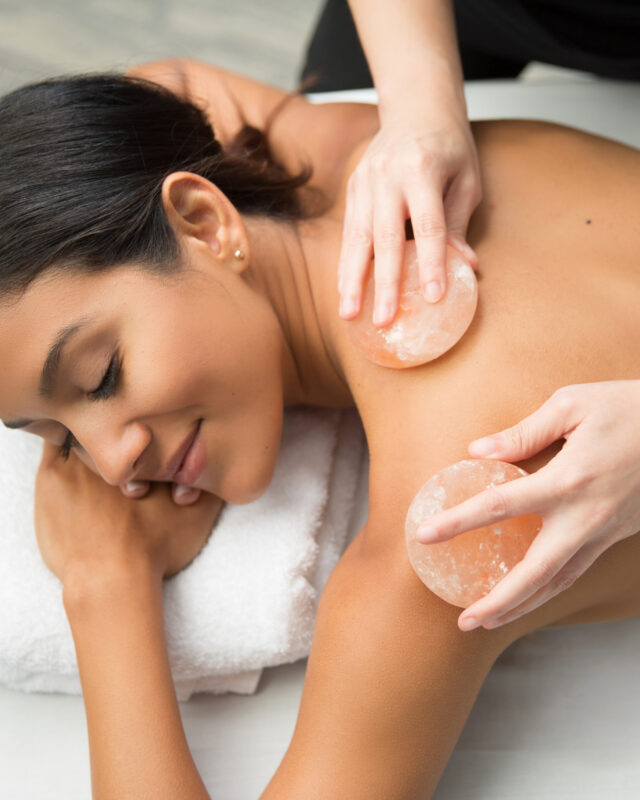 Himalayan Salt Massage
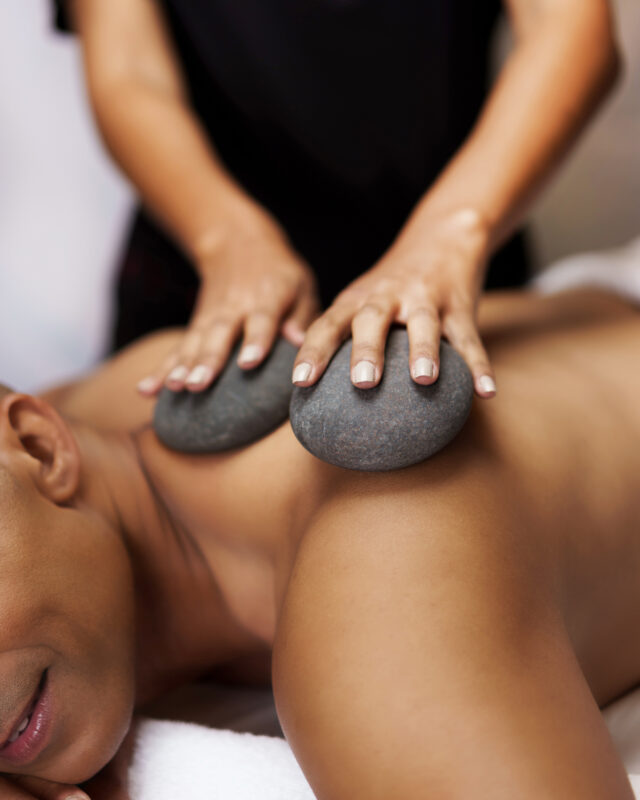 Hot Stone Massage
 Prenatal Massage
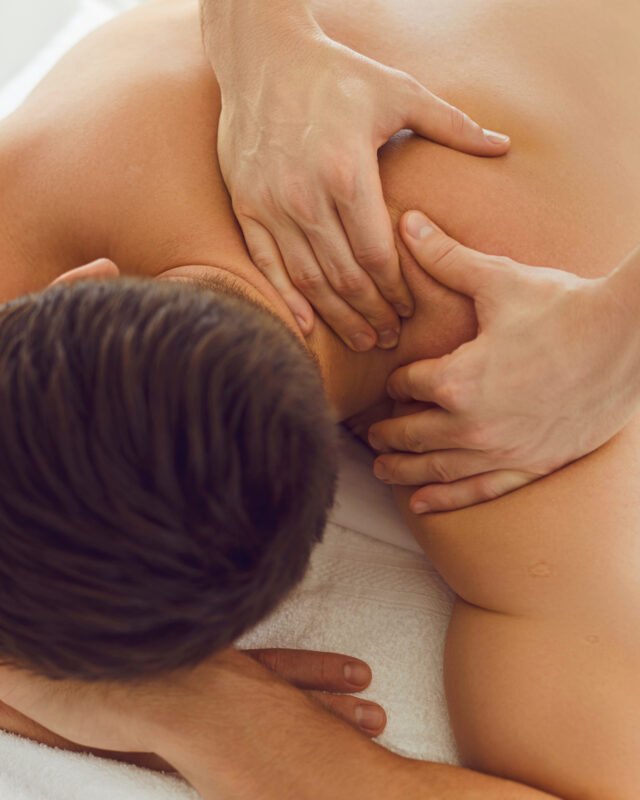 Sports Massage
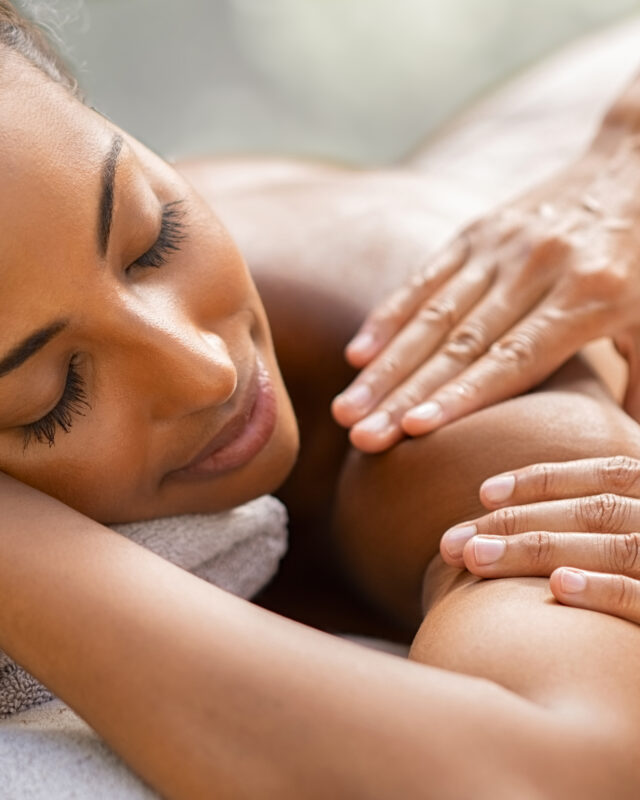 Oncology Massage
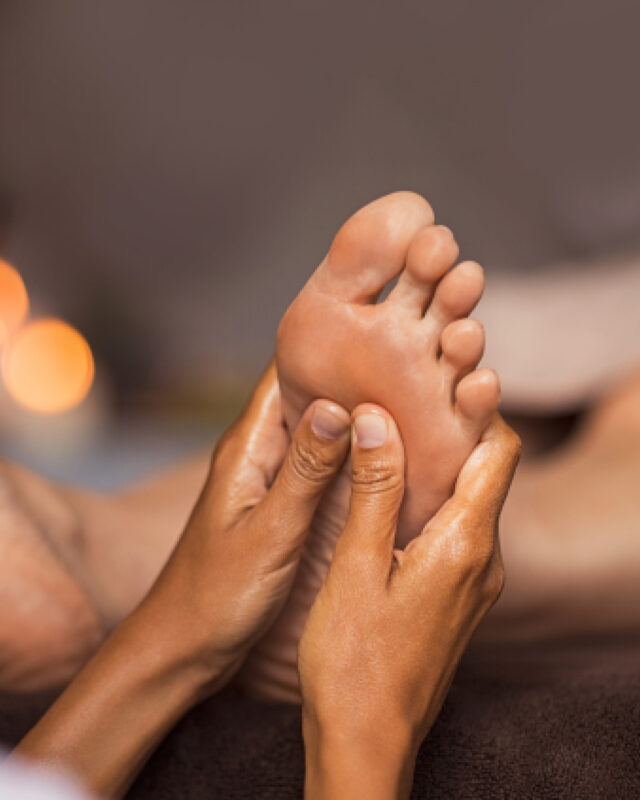 Specialty Massages
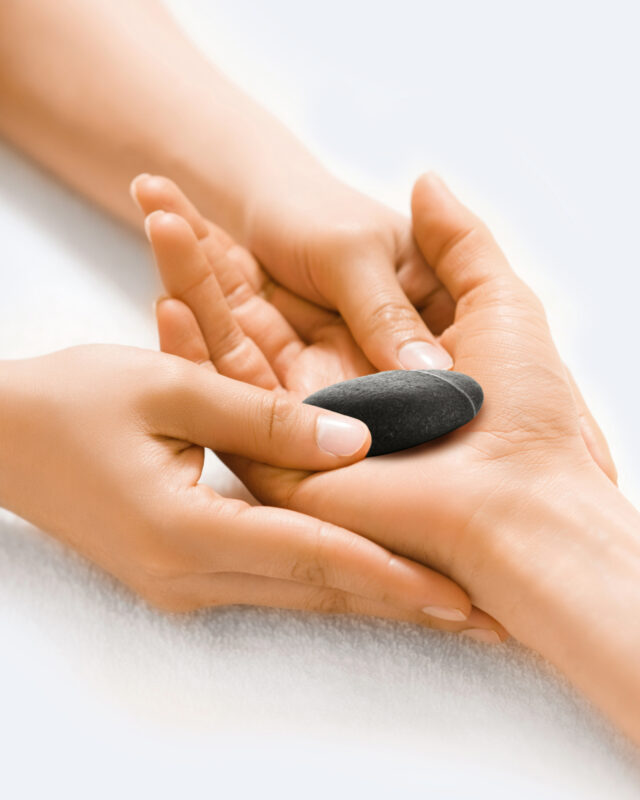 Massage Enhancements
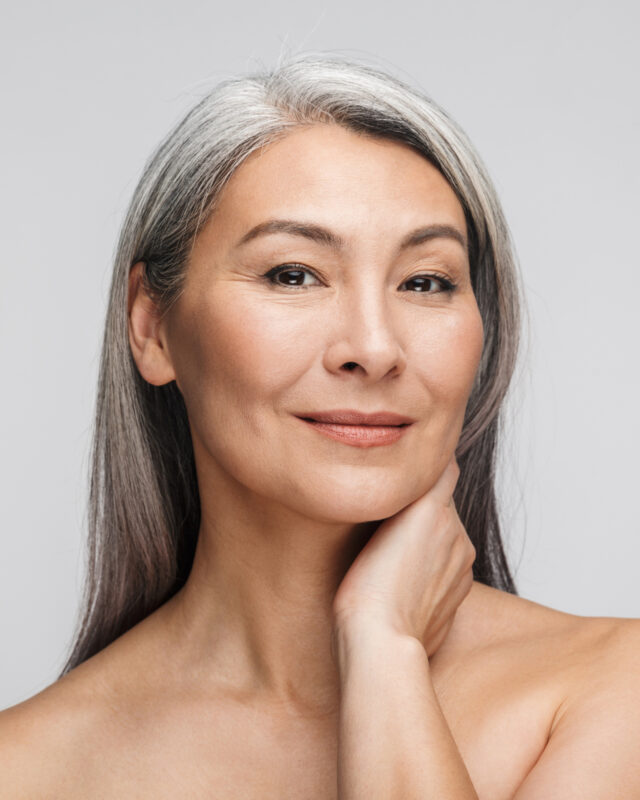 Anti-Aging Facial
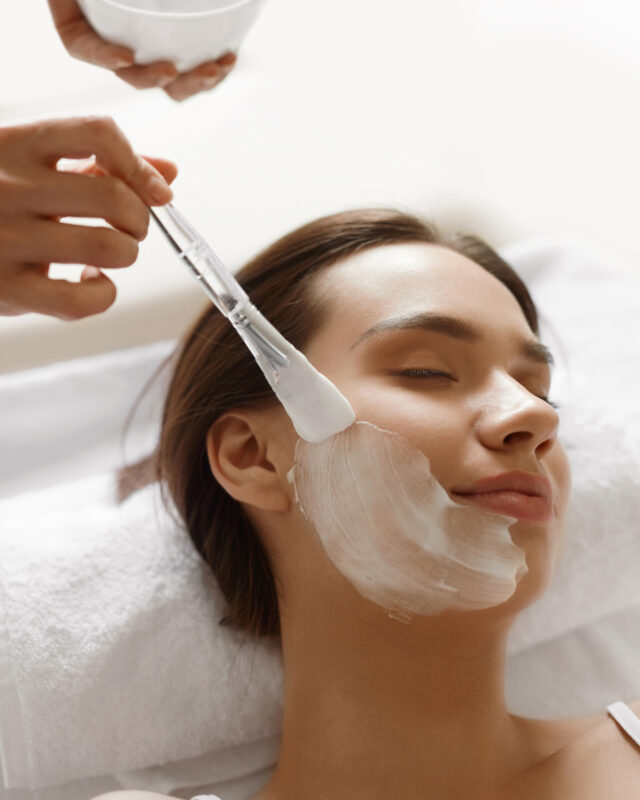 Clearing Facial
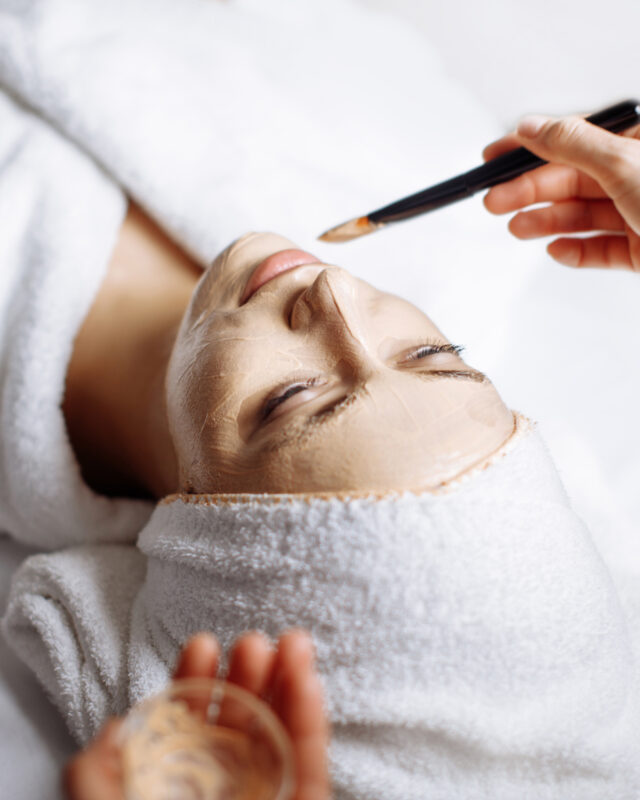 Hydrating Facial
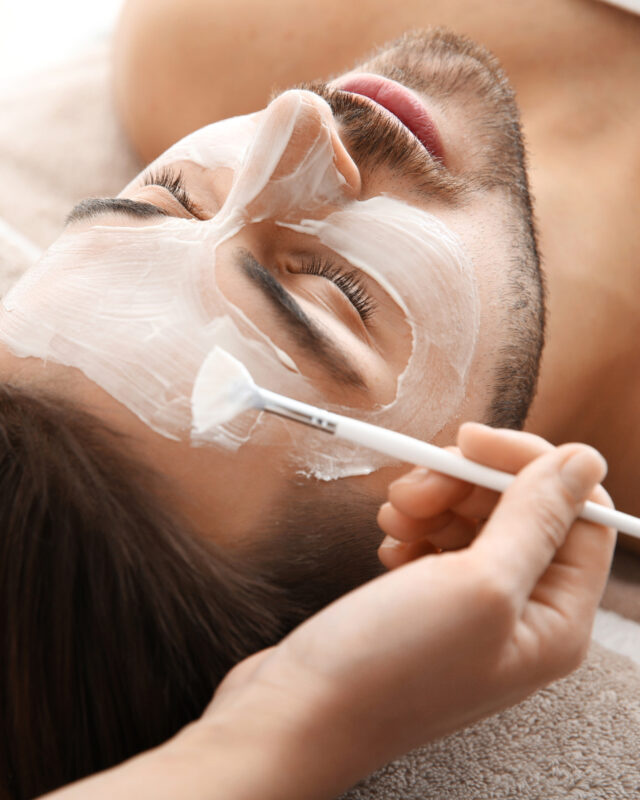 Brightening Facial
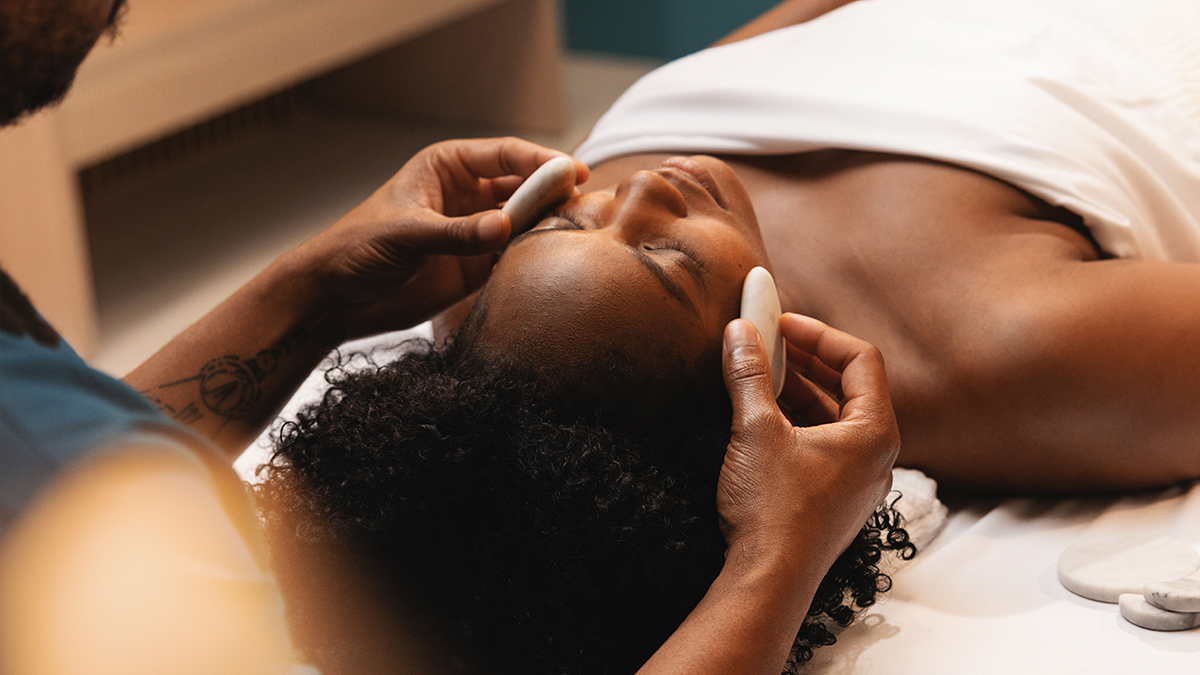
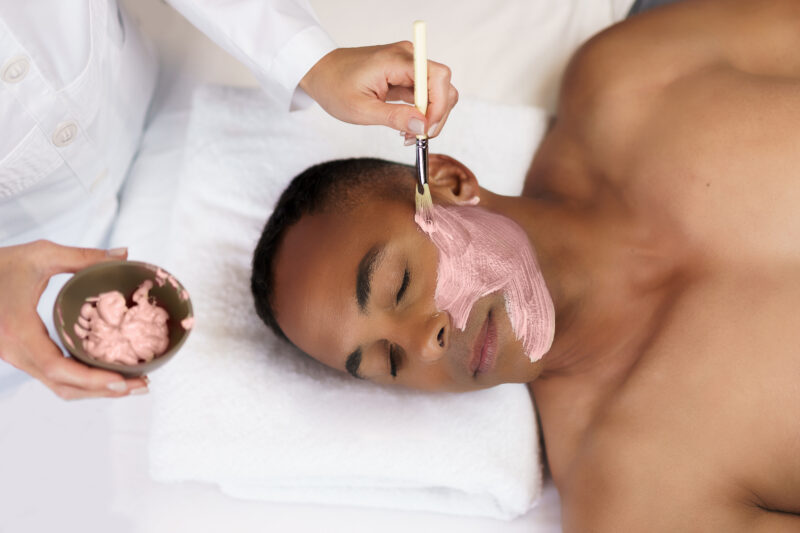 Relaxation Facials
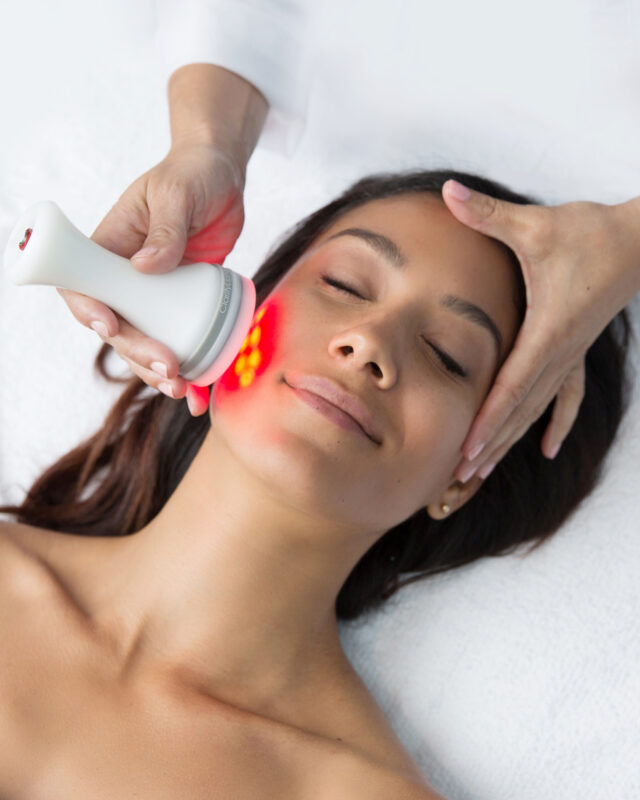 Facial Enhancements
 Shape by Neveskin™
 Tone by Neveskin™
 Facial Toning by Neveskin™
 Hair Removal Services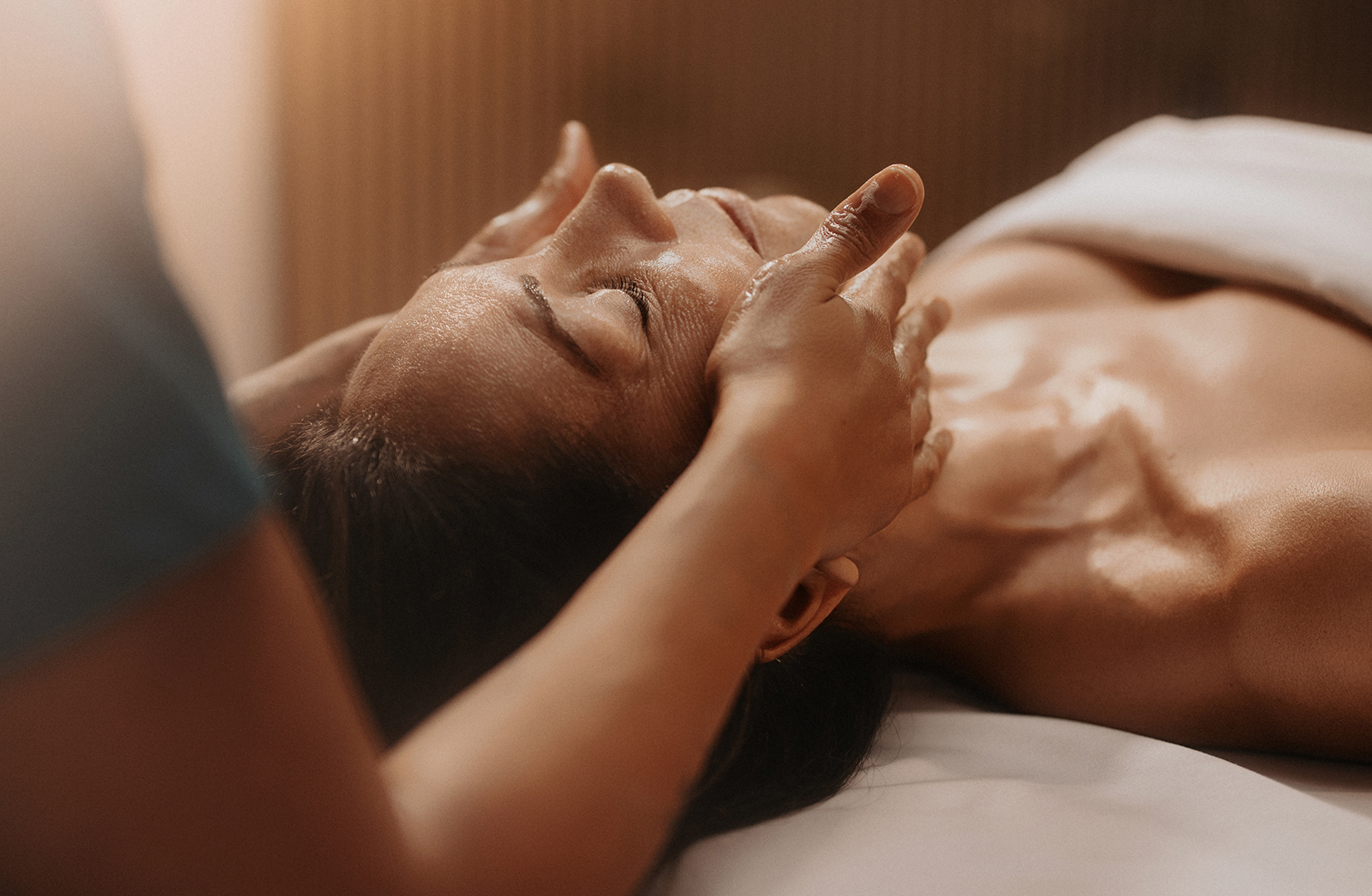



By Liz Zack
Spending an hour on a massage table, eyes closed, while someone gently kneads away your
last worry is incredible self-care on its own. But facials can also be excellent for your skin health,
says Dr. Debra Jaliman, board-certified dermatologist and Assistant Clinical Professor at the
Icahn School of Medicine at Mount Sinai, as long as you pick a treatment that works with your
skin type.
How do I know what skin type I have?
To pick the right facial you need to know the kind of TLC your skin needs most. Does your skin
feel tight after you wash it? Do you ever have rough or flaky skin on your cheeks? These are
indicators you might have dry skin.
Oily skin on the other hand, can mean you see blackheads or whiteheads, or you need to use
blotting papers regularly.
The tough one is combination skin, says Dr. Jaliman. “You might be oily in your T-zone around
your forehead, nose, and chin,” she says. “Or you might get a 4 o’clock shine, but your cheeks
feel fine.”
As you think about your skin type, make sure you’re not basing your current assessment on any
acne or dryness you had as a kid, cautions Dr. Jaliman. Your skin type will change repeatedly
throughout your life. Hormones around puberty, pregnancy and menopause can do this, as can
certain medications or moving to a different climate. Our skin changes seasonally too: Even
people with oily skin are dryer during winter months.
What type of facial is best for me?
Once you know your skin type you can focus on the treatment that’s going to help your skin
most. If you have oily or acne-prone skin you’ll want to look for a treatment that focuses on
exfoliation, and uses ingredients like salicylic acid, glycolic acid and lactic acid.
If you have dry skin, look for a hydrating facial. These treatments will likely use ingredients like
hyaluronic acid, shea butter and glycerin which will all help to super hydrate your skin, says Dr.
Jaliman. “Shea butter is a great emollient. It’s wonderful for dry skin and it’s wonderful for
mature skin, but not if you’re acne prone. You will be totally broken out.”
If you have combination skin, you’re somewhere in the middle. The best bet here is to talk to
your licensed esthetician during your consultation about taking your face section by section.
They may need to address your cheeks in a different manner than they do your T-zone, for
instance.
Beyond your skin type, if you’re prone to redness and rosacea, opt for gentle treatments such
as cooling masks, LED light therapy, or soothing facials. Look for fragrance-free products
formulated with anti-inflammatory ingredients.
Regardless of what type of facial you choose, Dr. Jaliman suggests making sure you leave a
buffer of two weeks before any big event like a wedding or a vacation. “For instance, some
people who are very acne prone will break out a lot after extractions,” says Dr. Jaliman, even if
the treatment ultimately helps their skin. Especially if it’s your first time, just be cautious until you
know exactly how your skin is going to react to the treatment.
What to expect during my facial
Although each treatment is different and depends on your spa and esthetician, you can
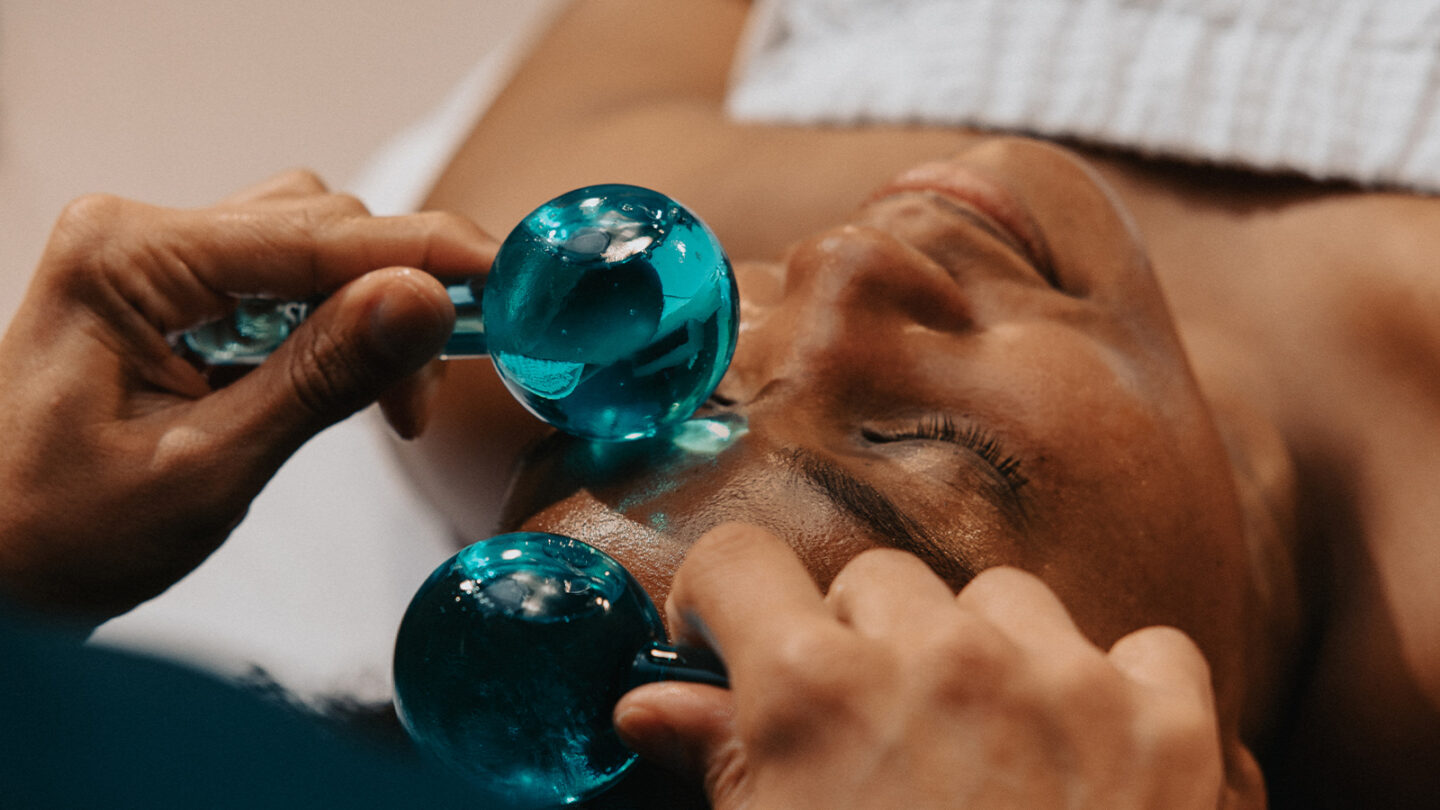
generally expect to be in a dimly lit room facing up on a comfortable (often heated) bed with a
pillow underneath your knees to take the pressure off your back. Whatever you’re having done,
relaxation should be at the forefront of all treatments, says Gillian Cahill, service, education and
curriculum manager at Hand and Stone Spa.
Your esthetician will begin with a consultation where they talk through your skin concerns and
let you know what to expect from the treatment you’ve booked. “That consultation is going to be
an open conversation where we’re learning more about who’s in front of us and why they’re
here,” says Cahill.
During the treatment, your licensed esthetician will cleanse your skin, treat or exfoliate it using
products based on the needs of your skin type and then finish with moisturizer, serums and
SPF. Your esthetician will be sitting or standing behind your head throughout. Let your
esthetician know if you’d like him or her to explain what they’re doing as they do it, or if you’d
rather just experience the treatment quietly. Be sure to share any preferences about massage
pressure, too.
The Takeaway
At the end of the day, a facial is both skin care and self care. Get the most out of your session by knowing your skin type up front, and sharing any concerns during your esthetician consultation. The right treatment, matched to the right skin type, is what turns an hour on a
heated table into a real investment in your skin’s health.